.

United Nations Inter-Agency Task Force on NCDs (UNIATF)

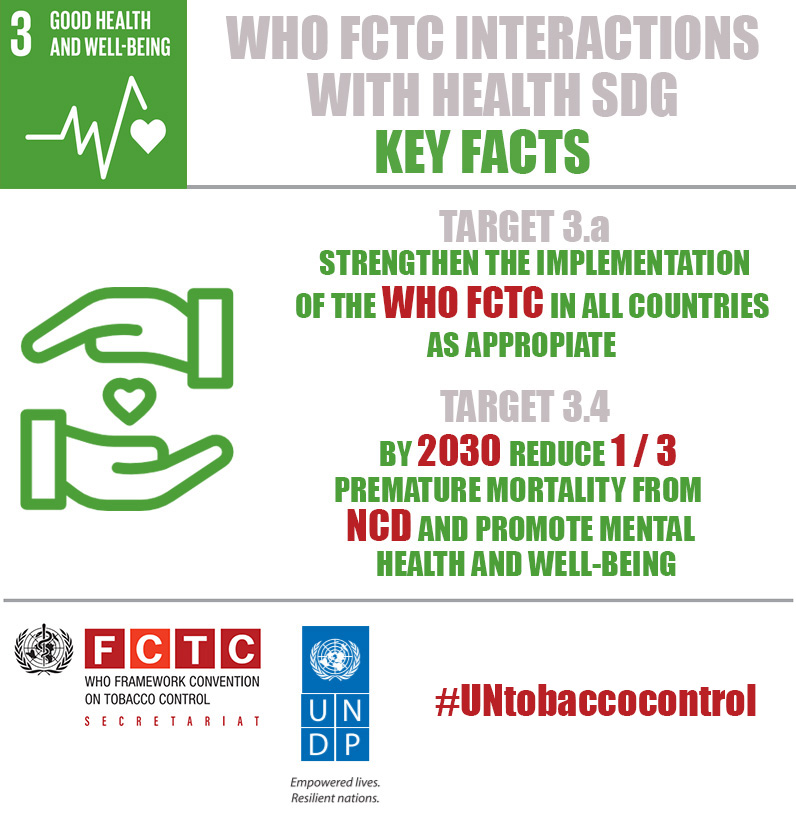
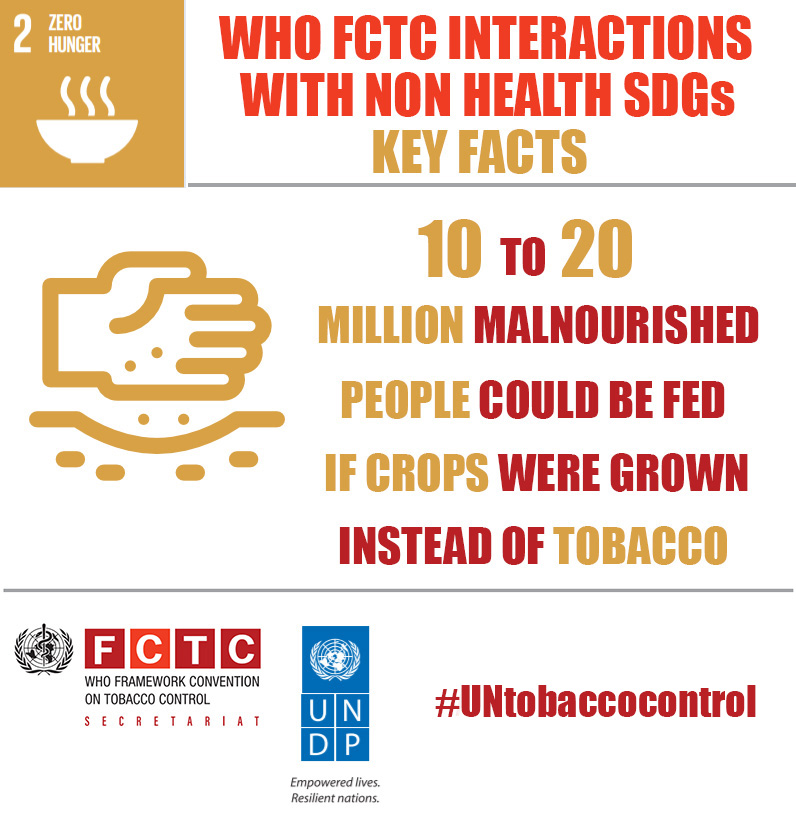
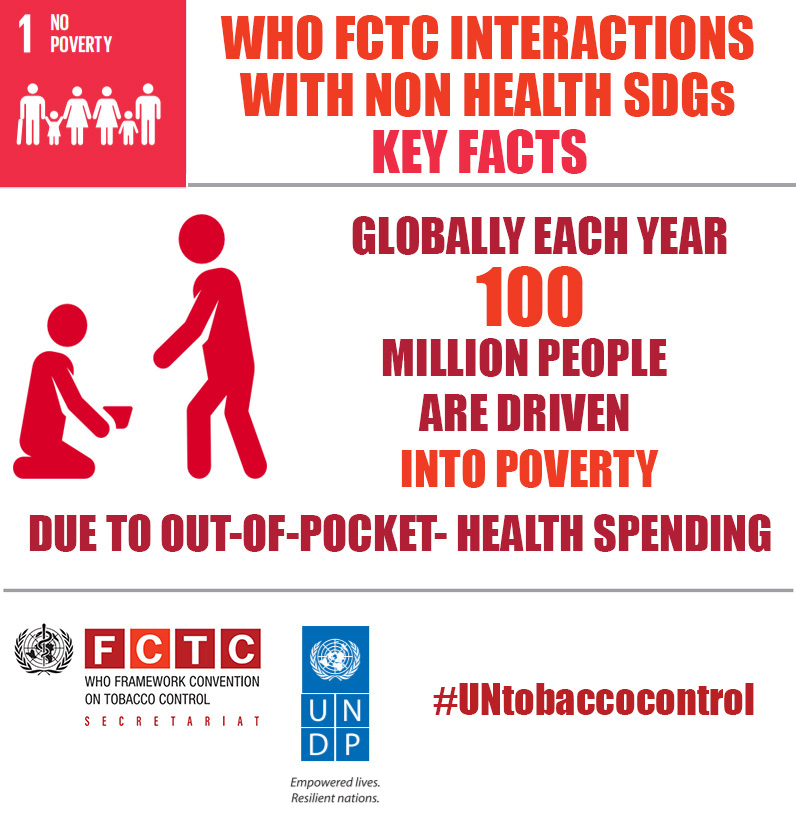
The Secretariat of the WHO FCTC and UNIATF

Since 2013, the Convention Secretariat has been an independent member of UNIATF and ensures that implementation of the WHO FCTC remains a key focus.

Videos
Latest events

News
Resources
Eliminating malaria: learning from the past, looking ahead

Eliminating malaria: learning from the past, looking ahead

This report was prepared on behalf of the Roll Back Malaria (RBM) Partnership to help assess progress towards 2010 targets set out in the Global Malaria Action Plan and the Millennium Development Goals.

Publication details
Number of pages: 84
Publication date: 18 October 2011
Languages: English
ISBN: 9789241502504
Publication details
Number of pages: 84
Publication date: 18 October 2011
Languages: English
ISBN: 9789241502504
Pandemic risk: how large are the expected losses?

Pandemic risk: how large are the expected losses?

Victoria Y Fan a, Dean T Jamison b & Lawrence H Summers c

a. Office of Public Health Studies, Myron B Thompson School of Social Work, University of Hawai‘i at Mānoa, 1960 East-West Road, Honolulu, HI 96822, United States of America (USA).
b. Institute for Global Health Sciences, University of California, San Francisco, San Francisco, USA.
c. Harvard Kennedy School, Harvard University, Cambridge, USA.

Correspondence to Victoria Y Fan (email: vfan@post.harvard.edu).

(Submitted: 29 June 2017 – Revised version received: 15 October 2017 – Accepted: 21 November 2017 – Published online: 05 December 2018.)

Bulletin of the World Health Organization 2018;96:129-134. doi: http://dx.doi.org/10.2471/BLT.17.199588

Introduction

Few doubt that major epidemics and pandemics will strike again and few would argue that the world is adequately prepared. Since the 2013–2016 Ebola virus disease outbreak in western Africa, the United States National Academy of Medicine1 and several other groups24 have pointed to gaps, and the need for greater investment, in preparation against epidemics and pandemics, of Ebola virus disease and other infectious diseases. Attempts to justify greater investment have mostly been based on estimates of the industrial and macroeconomic losses attributable to influenza pandemics.511 We have recently extended the loss assessment to include a valuation of the lives lost as a result of the increases in mortality resulting from influenza-pandemic risk.12 The inclusion of such a valuation increased the estimated loss attributable to modelled pandemic risk several fold. Below, we discuss our method and summarize our findings. Box 1 presents the definition of several of the terms we are using in this paper.

Box 1. Definition of terms used in this article

Loss

The consequences of a pandemic, in terms of lost income or lost lives.

Costs

The expenditures made to prepare for – or recover from – a pandemic.

Pandemic severity

Excess death attributable to a given influenza pandemic (expressed in this paper in standardized mortality units or SMUs - a unit of 1 per 10 000 per year).

Pandemic risk

The estimated probabilities that, in any given year, pandemics of varying degrees of severity will occur.

Expected annual losses

Defined in the probabilistic sense as the sum, across severities, of the losses associated with a pandemic of any given severity multiplied by the probability that a pandemic of that severity will occur in the coming year.

Note: Much of this nomenclature accords with that of the insurance industry.

Valuing lives

Most previous economic studies on global influenza pandemics have focused on income losses, through reductions in the size of the labour force and productivity, increases in absenteeism and, importantly, as the result of individual and social measures that interrupt transmission, but disrupt economic activity. While measures such as the per-capita gross national income include the effect of pandemics on income, they also exclude the value of changes in mortality risk to individuals. If, in assessments of investments in pandemic preparedness and mitigation, we neglect this dimension of loss, we will underestimate the value of such investments, relative to alternative uses of public finances.

The broader approach that we recently applied, to the assessment of economic losses attributable to pandemic influenza, factors in the intrinsic loss associated with increases in mortality.12 In effect, this approach assigns a dollar value to small changes in mortality probabilities, using values derived from empirical studies of how individuals and societies actually value changes in mortality risk.1316 This approach has already been employed extensively in environmental economics13,14 and has also been used in global health, by The Lancet Commission on Investing in Health.15,16

Past literature

Economic losses from influenza

We searched Google Scholar and PubMed® for studies on the economic losses from influenza. Almost all of the previous studies examined economic losses in terms of income and ignored the value of, and the loss associated with, mortality risk. The World Bank, for example, generated estimates of global income losses under different influenza pandemic scenarios.10,11 It found that a pandemic of the same severity as the 1918 influenza pandemic might reduce global gross domestic product by about 5% and that the disruptive effects of avoiding infection would account for about 60% of that reduction. Another study of the consequences of a range of pandemic severities included an extremely severe scenario that would lead to income losses of over 12% of gross national income worldwide, including losses of over 50% of the gross national incomes of lower-income countries.5 We found other integrative estimates of the magnitude of pandemic risk in two partially proprietary sources.17,18

Several studies have examined specific dimensions of the economic impacts of annual influenza, such as direct costs, e.g. medical and hospitalizations costs, and indirect costs, e.g. lost earnings due to illness and productivity costs. There are examples of such studies based in the Americas,6,7,1922 Asia8,23 and Europe.24,25 Other models have added an estimated value of the intrinsic undesirability of nonfatal illness or of pandemic fear, as seen in the population response to severe acute respiratory syndrome in Asia.8 Media coverage may also lead populations to overreact to mild pandemics.9

We found only two articles that included estimates of the loss from the elevated mortality associated with influenza pandemics.8,19 Of the 10 studies included in a recent systematic literature review on the costs of influenza,26 only one19 took account of the value of mortality risks.

Value of a statistical life

One strand of economic research has examined the intrinsic value of mortality risks, which is commonly expressed as the so-called value of a statistical life. This value is derived either from questionnaires that canvass how much compensation an individual would demand, to accept a small increase in the probability of their death,1 or from quantitative studies of the labour market that investigate the trade-offs between small fatality risks and income.2,27

Beyond influenza, the value of mortality risks has been included in estimating the costs of vaccine-preventable diseases28 and in evaluating the economic burdens posed by rheumatic heart disease.29 Far more studies have assessed the burden of specific environmental risk factors.13,14

The value of a statistical life, which is sometimes expressed as the value of a standardized mortality unit (SMU), i.e. an increase in the annual risk of death of 1 in 10 000, varies by both the age and income of the individual involved.15,16,27 In general, the value of mortality is elastic to age and to income, i.e. younger individuals place a higher value on mortality than older individuals, and higher-income individuals generally value mortality more than lower-income individuals. The main findings of our recent study appeared consistent when, in robustness and sensitivity checks, we used estimates that were unconditional on age and estimates with varying income elasticity with respect to the value of mortality.12

Expected-loss framework

Given the uncertain nature of an influenza pandemic, in terms of both when it may occur and how large the mortality risks will be, we applied an expected-loss framework that accounts for the uncertainty over a long period of time.7 An expected-loss framework incorporates information on the risk of an uncertain event, e.g. a pandemic, with information on the severity or value of that event, e.g. the increase in mortality. Although it has been estimated that the 2013–2016 Ebola virus disease outbreak led to about 11 300 deaths,30 the death toll from a severe influenza pandemic might be 2500 times higher than this.12 In any given year, however, the risk of a severe influenza pandemic is much smaller than that of an Ebola epidemic. The use of an expected-loss framework allows policy-makers to compare the expected losses associated with events with relatively high annual probability, but low mortality, e.g. an Ebola outbreak, with those of events with relatively low probability but high mortality, e.g. the 1918 influenza pandemic.

Exceedance probability function

Expected-loss frameworks are commonly used, by actuaries in the insurance industry, to calculate the size of premiums, e.g. for flood or health insurance. To value the consequences of uncertain events appropriately, the insurance industry estimates so-called exceedance probability functions. These functions generate estimates of the probability that, over a specified time frame, losses from an uncertain event, e.g. an influenza pandemic, would exceed any specified level. For our analysis, we developed an exceedance probability function for a global influenza pandemic. To parameterize the function, we turned to historical data on global influenza pandemics since the 1700s.3134 Six pandemics in this period led to excess mortality rates ranging between 0.03% and 0.08% of world population. In 2017, this range would be the equivalent of between 2 million and 6 million excess deaths globally. A modelling exercise for the insurance industry concluded that the annual risk of an influenza outbreak on the scale of the 1918 pandemic lies between 0.5% and 1.0%.18 For more severe pandemics, we fitted a parametrized exceedance probability function to modelled data that had been previously reported.18,35

Model calibration

Following common practice in the insurance industry, we defined risk, r(s), in terms of the annual probability of a pandemic having a severity exceeding s SMUs and the return time for s as the expected number of years before a pandemic of at least severity s will occur. If t(s) is the return time, then t(s) = r(s)−1. For example, if the annual probability of a pandemic of severity at least s is 1%, then its return time will be 100 years.

If we had access to a function r(s) showing exceedance probability as a function of severity, our analysis could proceed using the expected value of severity of all pandemics. Because r(s) is the complementary cumulative of the density for s, we would have expected value of: s =∫∞0r(s) d(s)

We calibrated this model using historical estimates of the frequency and severity of influenza pandemics, which we obtained from our literature search on PubMed® and Google Scholar. For mortality data relating to the 1918 influenza pandemic, we also searched the libraries at Harvard University and the University of Hawai‘i for historical documents and life tables. Studies were restricted to those with abstracts in English.

Like other economic studies of pandemic influenza, we identified two main influenza pandemic scenarios in terms of aggregate mortality: moderate and severe. Our review classified the 1918 pandemic as severe. As the world population in 1918 was about 1830 million and historical data indicate that there were at least 20 million pandemic-related deaths in that year, the excess death rate associated with the pandemic was at least 1.1%. A closer examination of the data from India indicate that the true global rate was probably far higher than 1.1%, the pandemic led to 14 million deaths in India3638 and it seems implausible that India accounted for 73% of all of the pandemic-related deaths at a time when it had 18% of the world population. However, to be conservative, we estimated an expected annual excess mortality rate of 0.93 SMUs. In the corresponding model for moderate pandemics, we used a global expected excess mortality rate of 0.05 SMUs, as seen in historical moderate pandemics.39

Our calibration pointed to a very fat-tailed distribution.12 Thus, compared with an exponential function, the hyperbolic family of complementary cumulative distributions provided more natural candidates for r(s). We parameterized the hyperbolic function in terms of its expectation and the fatness of its tail.40 Thus: r(s) = [1 + m(1 – f)s] – [1 + 1/(1 – f)] where f indicates the fatness of the tail, with smaller values implying a fatter tail. We estimate a value of f of -2. It had previously been estimated that, in 2015, a 1918-type pandemic would have killed 21 million to 33 million people, with a return time of 100–200 years.35 Our models produced similar values. Recent estimates of influenza and pneumonia mortality18,31 are also consistent with our all-cause mortality estimates. Our estimates are based on assumptions that are probably quite conservative. Substantially greater severities and likelihoods have been discussed elsewhere.5,35,41,42

Mortality-inclusive value of losses

We used our estimated exceedance probability function and empirically estimated values for small changes in mortality risk to calculate the expected i.e. mortality-inclusive, value of losses associated with a moderate or severe influenza pandemic. At 2013 values, the expected losses for 2015 amounted to about 500 billion United States dollars (US$), i.e. about 0.6% of global income, per year.12 The estimated proportion of annual national income represented by the losses varied according to country income grouping, from a little over 0.3% in high-income countries to 1.6% in lower-middle-income countries (Table 1).

The expected-loss framework distinguishes between the loss associated with a certain event that occurred, e.g. the mortality that occurred as a result of the 1918 influenza pandemic, and the expected loss associated with an uncertain event over a period of risk exposure. The expected loss combines both the risk of a moderate or severe pandemic and the losses from that event should the event occur. The expected-loss framework thus produces estimates of expected losses of an uncertain event, rather than actual losses of a certainly occurring event. We estimated the expected number of pandemic-related deaths to be about 720 000 per year. This level of mortality is on a similar scale to that attributable to other, more certain, causes of death, including other major infectious causes of death.12

Importantly, we concluded that most of the expected loss from influenza pandemics results from extreme events. Another effort to estimate exceedance probability functions indicated that, among all pathogens that can cause a pandemic, influenza virus was likely to be the predominant cause of pandemic-related mortality.18 The implication is clear: any efforts at pandemic preparedness need to be most strongly focused on influenza and on preparation for a severe scenario.

Our results present losses much higher than those found in studies limited to income losses. Income losses have been estimated to represent around 15% and 50% of the total economic losses associated with a severe pandemic and a mild pandemic, respectively.5,11 In previous studies, across modelled pandemics of all severities, mean income losses were estimated to be US$ 80 billion per year5,11, i.e. about 16% of our estimate of total pandemic-related costs.

Climate change comparison

In terms of the percentage of global income, our estimate of total pandemic-related losses (0.6%) falls within the corresponding Intergovernmental Panel on Climate Change’s estimates of the costs of global warming (0.2–2.0%).43 However, the magnitude of future global warming and the associated economic losses are still uncertain.44,45 The same is true for future pandemics. Many of the hundreds of studies on the potential costs of climate change46 have been hampered by the wide variation in estimates of the so-called social cost of carbon.47 If this cost is set at about US$ 120 per tonne, the cost of the carbon dioxide emissions in 2013 would have been about 1% of global income.46,48 As in many previous attempts to estimate the economic losses associated with a pandemic, many previous attempts to estimate the social costs of carbon have focused on national income accounts, without any explicit valuation of the increases in mortality resulting from climate change. The mortality-associated costs of climate change may be relatively small, however, since the slowness of climate change should allow for compensatory human adaptation.

Limitations

Our study had several limitations. First, we ignored the intrinsic undesirability of nonfatal illness and/or pandemic fear. Intense media coverage may lead populations to overreact to mild pandemics. Second, our estimates of future pandemic risk and severity, and the economic estimates based on these epidemiological estimates, are relatively crude partly because pandemics remain rare and uncertain events. Future modelling should lead to improved estimates over time. Third, the assignment of monetary value to small changes in mortality risk and, particularly the relationship between valuation of such risk and both individual income and age at death, remains controversial. However, the results of sensitivity analyses, in which we applied a range of assumptions on these parameters, indicated that our main findings were reasonably robust.

Policy development

In addition to pathogens of pandemic potential, an expected-loss framework may also be applied usefully to malaria and other diseases that have fluctuating incidence. As cases of the disease become rarer as the result of effective interventions, malaria becomes less visible politically and financially, and policy-makers in some countries may have responded by reducing control efforts prematurely. Policy-makers, and the societies they serve, could benefit by using an expected-loss framework to estimate the losses associated with uncertain and rare events across the full range of potential outcome severities. This could lead to appropriate and beneficial adjustments to each policy-maker’s sense of risk and sense of value and to improved national policies on epidemic and pandemic preparedness. A recent United States National Academy of Medicine report argued that, given the risks we estimated, policy attention has fallen short.49,50 National efforts at pandemic preparedness have benefits beyond national borders. Some have therefore argued that, for the global good, resources for development assistance should be used to provide incentives for national investments and international collaborations in such preparedness.3

Publication details
Publication date: 31 January 2018
Languages: English
Publication details
Publication date: 31 January 2018
Languages: English

WHO guidance note for estimating the longevity of long-lasting insecticidal nets in malaria control

This technical document has two main purposes: to provide guidance to countries to track long-lasting insecticidal nets (LLIN) durability in order to support management of resupply; and in the future to inform procurement decisions that take into account the number of years of protection as opposed to unit cost of LLINs. 

The document is aimed at malaria programme staff and researchers who are directly involved in the collection and analysis of data on LLIN durability in the field in order to allow standardization of procedures and analysis of LLIN durability estimates across countries.

Publication details
Number of pages: 3
Publication date: 18 September 2013
Languages: English
Publication details
Number of pages: 3
Publication date: 18 September 2013
Languages: English

Severe malaria

This document is a scientific review paper produced under the auspices of the Technical Expert Group on malaria chemotherapy of the WHO Global Malaria Programme and published in a peer review journal as a special supplement.

It provides a series of literature reviews covering many aspects of severe malaria. It aims to bring into one place the scientific basis for current knowledge, including on pathology, pathogenesis, pathophysiology, clinical features and management of severe malaria and its complications. 

This is the fourth WHO review on severe malaria, previously published as a Supplement to Transactions of the Royal Society of Tropical Medicine and Hygiene in 1986, 1990 and 2000. The authors have attempted to capture the important advances in knowledge that have expanded our knowledge of severe malaria and its management.

Publication details
Publication date: 4 May 2014
Languages: English
Publication details
Publication date: 4 May 2014
Languages: English
FCTC/COP/11/1 Provisional agenda

FCTC/COP/11/1 Provisional agenda

Geneva, Switzerland

17–22 November 2025

Publication details
Number of pages: 4
Publication date: 1 December 2025
Languages: English
WHO Reference Number: FCTC/COP/11/1
Publication details
Number of pages: 4
Publication date: 1 December 2025
Languages: English
WHO Reference Number: FCTC/COP/11/1

Report of the technical consultation on intermittent preventive treatment in infants (IPTi)

In October 2006 and October 2007, WHO convened meetings of the Technical Expert Group (TEG) on Intermittent Preventive Treatment in Infants to review the available evidence on the safety, efficacy and other relevant aspects of IPTi with sulfadoxine-pyrimethamine (SPIPTi) delivered through the Expanded Programme for Immunization (EPI). At the time six randomised, placebo-controlled, clinical trials with SP-IPTi were being, or had been conducted in areas of Africa south of the Sahara with relatively high malaria endemicity. 

TEG 2006 concluded that SP-IPTi held promise as a potential malaria control intervention, noting that three of the studies were yet ongoing or unpublished. At the TEG 2007, at which time the six studies had been completed, the committee concluded that, though IPTi remains a potential intervention for malaria control, the use of SP-IPTi cannot be recommended as a strategy for general deployment based on the assessment of the risks and benefits, and advised a future review of further evidence when available.

Publication details
Number of pages: 11
Publication date: 28 April 2009
Languages: English
Publication details
Number of pages: 11
Publication date: 28 April 2009
Languages: English
Antiretroviral therapy for HIV infection in infants and children

Antiretroviral therapy for HIV infection in infants and children

These treatment guidelines serve as a framework for selecting the most potent and feasible first-line and second-line ART regimens for the care of HIV-infected infants and children.

These guidelines address the diagnosis of HIV infection and consider ART in different situations, e.g. where infants and children are coinfected with HIV and TB, or have been exposed to ARVs, either for PMTCT or because of breastfeeding from an HIV-infected mother on ART. In addition, these guidelines address the importance of nutrition in the HIV-infected child and of recognizing the severity of malnutrition, especially in relation to the provision of ART. Adherence to therapy and resistance to ARVs are discussed. A section on ART in adolescents briefly outlines key issues related to treatment and care for this age group.

WHO recognizes the need to strengthen health systems with a view to maximizing the quality and long-term benefits of ART. Improved access to HIV diagnostic testing for infants and children is necessary to save lives. The inability to diagnose HIV infection as early as possible in infants and children severely limits access to ART and its timely initiation. Reliable access to immunological assays for assessing CD4 levels in children is crucial for guiding the initiation of treatment and for optimizing the maintenance of ART.

These guidelines are intended primarily for use by treatment advisory boards, national AIDS programme managers and other senior policy-makers who are involved in the planning of national and international HIV care strategies for infants and children in resource-limited countries. Elements of the guidelines such as the simplified dosing guidance (Annex E) are also designed for clinical implementation in the field.

Publication details
Number of pages: 206
Publication date: 1 January 2010
Languages: English
ISBN: 9789241599801
Publication details
Number of pages: 206
Publication date: 1 January 2010
Languages: English
ISBN: 9789241599801

Nursing roles in 21st-century health systems

Publication details
Publication date: 27 February 2020
Languages: English
Publication details
Publication date: 27 February 2020
Languages: English

WHO Consultation on a Rabies Monoclonal Antibody Cocktail for Rabies Post Exposure Treatment

This meeting is the first step of a project that should lead, after careful selection of the MAbs to the evaluation and validation both in vitro and in vivo, of the efficacy of the MAbs antibody cocktail for rabies prophylactics in combination with vaccination. The second phase should lead to the selection of a technology for production that could be eventually transferred to selected developing countries.


Publication details
Number of pages: 55
Publication date: 8 November 2002
Languages: English
Publication details
Number of pages: 55
Publication date: 8 November 2002
Languages: English
Global surveillance for COVID-19 caused by human infection with COVID-19 virus: interim guidance

Global surveillance for COVID-19 caused by human infection with COVID-19 virus: interim guidance

This document provides guidance to Member States on implementation of global surveillance of COVID-19. The objectives of this global surveillance are:

  1. to monitor trends of the disease where human to human transmission occurs;
  2. rapidly detect new cases in countries where the virus is not circulating;
  3. provide epidemiological information to conduct risk assessments at the national, regional and global level; and
  4. provide epidemiological information to guide preparedness and response measures.

Case-based reporting form

Data dictionary for case-based reporting form 

Aggregated weekly reporting form


Publication details
Number of pages: 4
Publication date: 20 April 2020
Languages: English
WHO Reference Number: WHO/2019-nCoV/SurveillanceGuidance/2020.6
Publication details
Number of pages: 4
Publication date: 20 April 2020
Languages: English
WHO Reference Number: WHO/2019-nCoV/SurveillanceGuidance/2020.6
FCTC/COP/11/DIV/2 Practical Guide for Participants

FCTC/COP/11/DIV/2 Practical Guide for Participants

Publication details
Number of pages: 14
Publication date: 3 July 2025
Languages: English
WHO Reference Number: FCTC/COP/11/DIV/2
Publication details
Number of pages: 14
Publication date: 3 July 2025
Languages: English
WHO Reference Number: FCTC/COP/11/DIV/2
PAHO-WHO multi-country cooperation strategy for Barbados and Eastern Caribbean countries: 2018-2024

PAHO-WHO multi-country cooperation strategy for Barbados and Eastern Caribbean countries: 2018-2024

The Country Cooperation Strategy (CCS) is WHO’s strategic framework to guide the Organization’s work in and with a country. It responds to that country’s National Health and Development Agenda and identifies a set of agreed joint priorities for WHO collaboration, covering those areas where the Organization has a comparative advantage in order to assure public health impact.

The CCS is WHO’s corporate framework strategy to implement GPW13 with a response to country needs and priorities and addresses the Sustainable Development Agenda in health-related Sustainable Development Goals.

Publication details
Number of pages: 80
Publication date: 2 January 2018
Languages: English
Publication details
Number of pages: 80
Publication date: 2 January 2018
Languages: English
Antimicrobial stewardship programmes in health-care facilities in low- and middle-income countries: a WHO practical toolkit

Antimicrobial stewardship programmes in health-care facilities in low- and middle-income countries: a WHO practical toolkit

This toolkit aims to support countries in implementing Objective 4 of the Global Action Plan – ‘‘optimize the use of antimicrobial medicines” – by providing practical guidance on how to implement antimicrobial stewardship (AMS) programmes in the human health sector at the national and health-care facility level in low- and middle-income countries (LMICs).

Antimicrobial stewardship programmes optimize the use of antimicrobials, improve patient outcomes, reduce AMR and health-care-associated infections, and save health-care costs amongst others. According to the Organisation for Economic Co-operation and Development (OECD) report Stemming the superbug tide: just a few dollars more, implementing AMS programmes together with other policies to reduce overuse of antibiotics and promote hospital hygiene could save up to 1.6 million lives by 2050 and US$ 4.8 billion per year in the 33 OECD countries. 

Stewardship is defined as “the careful and responsible management of something entrusted to one’s care”.  It was originally applied in the health-care setting as a tool for optimizing antimicrobial use, termed “antimicrobial stewardship” (AMS). 

Stewardship has since been applied in the context of governance of the health sector as a whole, taking responsibility for the health and well-being of the population and guiding health systems at the national and global level.

Publication details
Publication date: 21 October 2019
Languages: English
Publication details
Publication date: 21 October 2019
Languages: English
Achieving and maintaining universal coverage with long-lasting insecticidal nets for malaria control

Achieving and maintaining universal coverage with long-lasting insecticidal nets for malaria control

Long-lasting insecticidal nets (LLINs) have played an important role in reducing the global malaria burden since 2000. They are a core prevention tool used widely by people at risk of malaria.

This document provides recommendations on how to achieve and maintain universal coverage with LLINs, in line with the Global Technical Strategy for Malaria 2016-2030. Universal coverage for malaria vector control is defined as universal access to and use of appropriate interventions by populations at risk of malaria.

It supersedes the WHO recommendations for achieving universal coverage with long-lasting insecticidal nets in malaria control published in September 2013.

Publication details
Publication date: 19 December 2017
Languages: English
WHO Reference Number: WHO/HTM/GMP/2017.20
Publication details
Publication date: 19 December 2017
Languages: English
WHO Reference Number: WHO/HTM/GMP/2017.20

Health and climate change: country profile 2020: Samoa

This WHO UNFCCC health and climate change country profile for Samoa provides a summary of available evidence on climate hazards, health vulnerabilities, health impacts and progress to date in health sector efforts to realize a climate-resilient health system.

The WHO and UNFCCC Health and Climate Change Country Profile Project monitors the health impacts of climate change and progress in building climate resilient health systems. By publishing updated country profiles every four years, the project not only provides a snapshot on a range of national health and climate change indicators, but also creates a mechanism to track climate-related health impacts and responses over time. During the first cycle of the project in 2015, nearly 50 country profiles were published. The number of country profiles is being significantly expanded in the second cycle, with around 100 country profiles expected to be published by the end of 2021.

The country profiles are developed in close collaboration with regional and country level WHO offices, national health authorities, and health stakeholders. The overall aims of the WHO and UNFCCC Health and Climate Change Country Profile Project are to:

  • Increase awareness of the health impacts of climate change
  • Support evidence-based decision making to strengthen the resilience of health systems
  • Support health involvement in national and international climate processes such as the United Nations Framework Convention on Climate Change (UNFCCC)
  • Promote actions that improve health while reducing greenhouse gas emissions.


Read More

All Health and Climate Change Country Profile

Publication details
Number of pages: 16
Publication date: 4 November 2020
Languages: English
WHO Reference Number: WHO/HEP/ECH/CCH/20.01.09
Publication details
Number of pages: 16
Publication date: 4 November 2020
Languages: English
WHO Reference Number: WHO/HEP/ECH/CCH/20.01.09
Retention of the health workforce in rural and remote areas: A systematic revue

Retention of the health workforce in rural and remote areas: A systematic revue

The World Health Organization’s (WHO) 2010 Increasing access to health workers in remote and rural areas through improved retention: global policy recommendations included a recommendation to review in 2013; as well as commissioning three reports on the: impact of compulsory service; role of outreach support; and realistic evaluation of interventions. This literature review builds on the original systematic review which covered literature published from 1995–2009. The aim of this report is to gain insights from “what the evidence tells us” about the impact of the guidelines, and to inform an update of the 2010 WHO global policy recommendations.

This review, undertaken during 2017 and completed in 2020, used the same conceptual framework as the original review of the logic of attractiveness leading to retention and increased availability of health workers in rural and remote areas. The review update repeated the original literature review methodology used by Dolea et al.  in 2010.

The early findings of the review update were presented at the Fourth Global Human Resources for Health Conference Dublin, Ireland.

Publication details
Number of pages: 37
Publication date: 16 September 2020
Languages: English
Publication details
Number of pages: 37
Publication date: 16 September 2020
Languages: English
I’m prepared for emergencies

I’m prepared for emergencies

Friends power is a series of health education comic stories developed for children. It aims to build the knowledge, attitude and skills of children on selected health topics such as natural disaster preparedness and response and healthy lifestyles. This first publication in the series deals with disaster preparedness and response focusing on earthquake, flooding, extreme heat and drought

Publication details
Number of pages: 31
Publication date: 5 December 2019
Languages: English
ISBN: 978-92-9021-781-7 978-92-9021-783-1
Publication details
Number of pages: 31
Publication date: 5 December 2019
Languages: English
ISBN: 978-92-9021-781-7 978-92-9021-783-1

WHO guidance for countries on combining indoor residual spraying and long-lasting insecticidal nets

The reduction in disease burden of malaria in recent years has in large part been attributed to the massive scale up of the two main vector control interventions, long-lasting insecticidal nets (LLINs) and indoor residual spraying (IRS), particularly in Africa south of the Sahara. A number of countries have deployed the two interventions in combination in an attempt to further reduce transmission. 

Based on a few published and unpublished cluster randomized trials conducted in Benin, Tanzania, The Gambia and Sudan, this document presents a summary of the available evidence and provides guidance on the combined use of IRS and LLINs.

Related document

Publication details
Number of pages: 3
Publication date: 18 March 2014
Languages: English
WHO Reference Number: WHO/HTM/GMP/MPAC/2014.2
Publication details
Number of pages: 3
Publication date: 18 March 2014
Languages: English
WHO Reference Number: WHO/HTM/GMP/MPAC/2014.2
WHO Country Cooperation Strategy 2012-2015: Ethiopia

WHO Country Cooperation Strategy 2012-2015: Ethiopia

The Country Cooperation Strategy (CCS) is WHO’s strategic framework to guide the Organization’s work in and with a country. It responds to that country’s National Health and Development Agenda and identifies a set of agreed joint priorities for WHO collaboration, covering those areas where the Organization has a comparative advantage in order to assure public health impact.

The CCS is WHO’s corporate framework strategy to implement GPW13 with a response to country needs and priorities and addresses the Sustainable Development Agenda in health-related Sustainable Development Goals.

Publication details
Number of pages: 53
Publication date: 1 January 2013
Languages: English
ISBN: 9789290232070
Publication details
Number of pages: 53
Publication date: 1 January 2013
Languages: English
ISBN: 9789290232070
Guiding principles for immunization activities during the COVID-19 pandemic: interim guidance

Guiding principles for immunization activities during the COVID-19 pandemic: interim guidance

Publication details
Number of pages: 3
Publication date: 26 March 2020
Languages: English
WHO Reference Number: WHO/2019-nCoV/immunization_services/2020.1
Publication details
Number of pages: 3
Publication date: 26 March 2020
Languages: English
WHO Reference Number: WHO/2019-nCoV/immunization_services/2020.1